

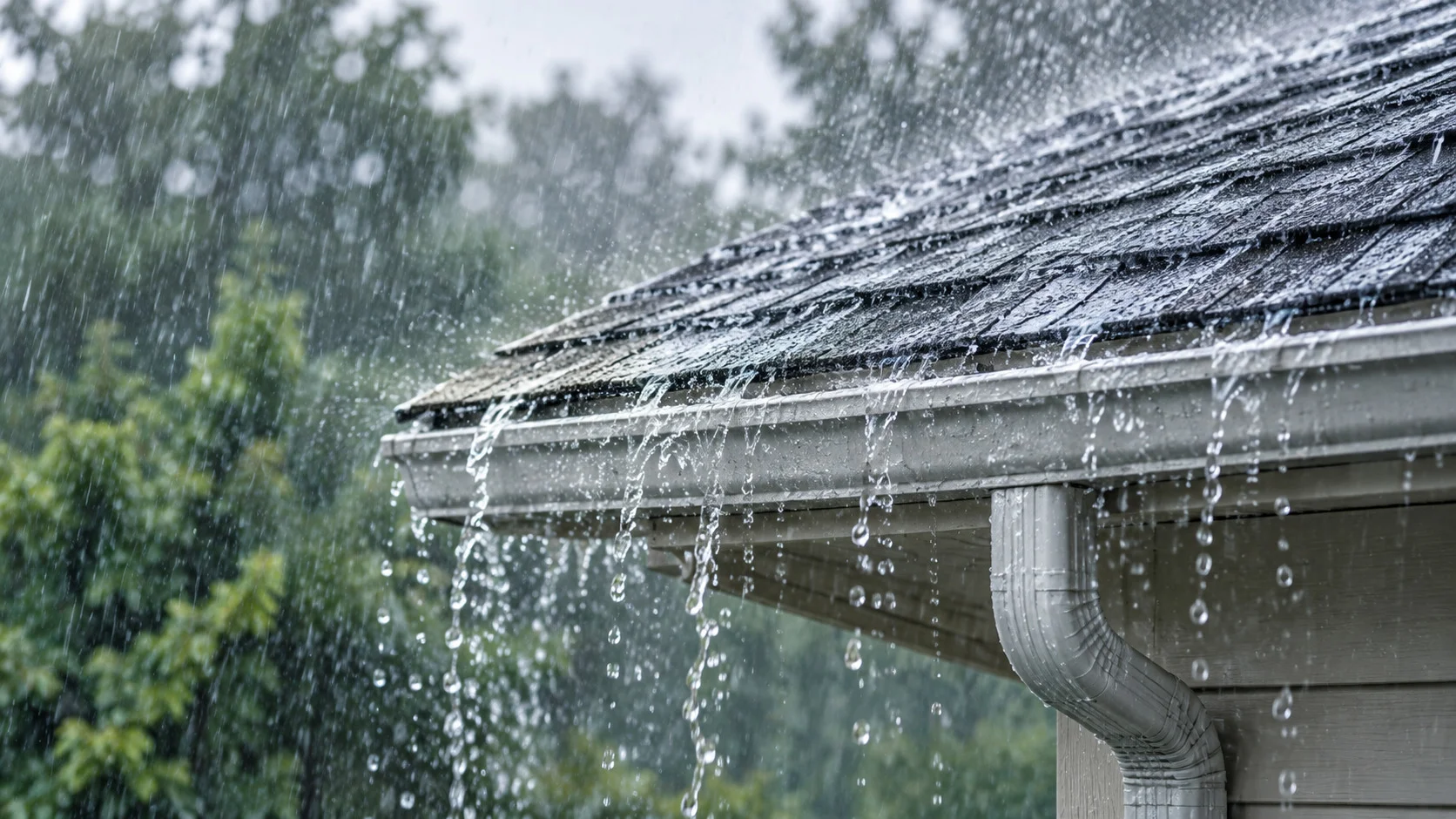
After days of heavy rain or a strong South Florida storm, most homeowners take a quick look around the outside of their property for obvious damage. But one of the most important places to check is actually inside your attic.
In Boca Raton and throughout South Florida, heavy rain, strong winds, and tropical weather can expose weak points in a roofing system. Even if you do not see water dripping from your ceiling, moisture may already be making its way beneath your roofing materials and into your attic.
Catching a roof leak early can help prevent a small roofing issue from becoming expensive damage to your home.
Why Check Your Attic After Heavy Rain?
Roof leaks are not always obvious.
Water can enter through damaged flashing, cracked tiles, loose shingles, deteriorated sealant, roof penetrations, or other vulnerable areas. From there, it may travel along roof decking, rafters, or insulation before eventually appearing on a ceiling or wall.
That means a leak may be present for days or even weeks before you notice a visible stain inside your living space.
Checking your attic shortly after a period of heavy rain gives you an opportunity to spot moisture closer to its source.
7 Signs of a Roof Leak in Your Attic
When it is safe to enter your attic, use a flashlight and look for these common warning signs.
1. Wet or Damp Insulation
Insulation should feel dry. If you notice wet, compressed, discolored, or unusually dark insulation, water may be entering through the roof above it.
2. Water Stains on Wood
Look closely at the roof decking, rafters, and trusses.
Dark brown stains, streaks, rings, or discoloration can indicate that water has been entering the attic. Some stains may be from an older leak, but damp or expanding areas deserve attention.
3. Active Dripping
If you check your attic while it is raining or shortly afterward, you may actually see droplets forming or water running along wood surfaces.
Keep in mind that the place where water drips may not be directly underneath the roof damage. Water can travel along rafters and structural materials before falling.
4. Musty or Damp Odors
A persistent musty smell in the attic may indicate excess moisture.
Even if you cannot immediately see where the water is coming from, an unusual damp odor is a good reason to have the area inspected.
5. Mold or Mildew Growth
Dark spots, fuzzy growth, or unusual discoloration on attic wood or insulation may be signs of prolonged moisture exposure.
The sooner the source of that moisture is identified, the better chance you have of limiting additional damage.
6. Daylight Coming Through the Roof
If you can see daylight entering through gaps in the roof deck, there may be an opening that can also allow wind-driven rain inside.
Do not attempt to climb onto the roof yourself to investigate. Have a roofing professional safely inspect the area.
7. Sagging or Soft Roof Decking
Roof decking that appears warped, sagging, swollen, or soft may have been exposed to moisture for an extended period.
This can indicate a more serious roofing problem that should be evaluated promptly.
Why South Florida Storms Can Reveal Hidden Roof Problems
Living in Boca Raton means your roof deals with conditions that can be especially hard on roofing materials.
Intense sunshine and heat can gradually dry and weaken roofing materials. Then heavy rain and strong winds arrive and put those already stressed areas to the test.
Wind-driven rain can work its way beneath damaged shingles or tiles, around flashing, and through aging sealants. A storm does not necessarily have to be a hurricane to expose a weakness in your roof.
Sometimes several days of steady rain are enough to reveal a leak that previously went unnoticed.
Do Not Wait for a Ceiling Stain
One of the biggest mistakes homeowners make is assuming that no ceiling stain means no roof leak.
By the time water reaches your drywall, moisture may have already affected:
· Roof decking
· Rafters or structural wood
· Electrical components
· Interior paint and finishes
Finding the issue while it is still confined to the attic may help reduce the amount of damage that needs to be repaired.
What Should You Do If You Find Water in Your Attic?
If you notice signs of water intrusion, avoid making temporary roof repairs yourself, especially while the roof is wet.
Instead, document what you see with photos if you can safely do so and schedule a professional roof inspection.
An experienced roofer can trace the water back to its source and determine whether the problem is related to damaged shingles, cracked tiles, flashing, underlayment, sealant, storm damage, or another part of the roofing system.
Remember: the location of the water inside your attic is not always the location of the roof leak.
Professional leak detection is important because simply patching the area where you see water may not address the actual source.
Recent Heavy Rain? Now Is the Time to Check
If your Boca Raton home has recently experienced heavy rain, flooding, high winds, or severe thunderstorms, take a few minutes to check your attic once conditions are safe.
Look for moisture, stains, wet insulation, unusual odors, or other signs that water may have entered your home.
A quick inspection today could help you catch a roofing problem before the next South Florida downpour makes it worse.
Think You Have a Roof Leak? Call Blues Brothers Roofing Company
If you discover signs of a leak or simply want peace of mind after severe weather, Blues Brothers Roofing Company can help.
With more than 20 years of experience serving Boca Raton, Palm Beach County, and South Florida, our licensed and insured roofing team knows where storm-related roof problems tend to hide. We can inspect your roofing system, identify the source of the problem, and explain your repair options clearly.
Do not wait for a small leak to become a bigger problem.
Call Blues Brothers Roofing Company at (561) 450-2118 or contact us online to request a free estimate and schedule your roof evaluation.